Amir Nehari, PhDMapping Conflict:Narrative, Collective Psychology, and Israeli Politics
Research * Lectures * Group Facilitation * Leadership Training
My work examines how collective anxieties, fantasies, narratives, leadership choices, and institutional structures interact to shape political reality—why peace efforts fail, how conflicts endure, and what conditions make change possible. I combine theoretical research with applied experience in teaching, facilitation, and public engagement.

Dr. Amir Nehari
Political Psychologist, Researcher and Group Facilitator
Academic Background
Specialized in Industrial/Organizational Psychology with a focus on leadership and team dynamics
A wide range of training solutions
Advanced training in group dynamics and facilitation techniques
Internship with court-assigned cases
Professional certification in business coaching methodologies
Organizations & Clients
Articles & Lectures
These articles and lectures are part of an ongoing psycho-systemic study of Israeli politics and society. Through key events — the Oslo process, the disengagement from Gaza, October 7, and the Iron Swords war — they examine how collective anxieties, narratives, leadership choices, group dynamics, and institutional structures interact over time. Together, they seek to map Israeli politics as a holistic, interactive system in which major events are shaped both by immediate decisions and by the wider patterns of meaning, conflict, and adaptation that connect them.
Academic article manuscript
Why do societies remain entrenched in destructive conflict, and why can peace initiatives intensify anxiety and resistance? This article develops a psychoanalytic model of large-group processing within the socio-psychological infrastructure of conflict. Threats to group needs—security, connectedness, recognition, action, and meaning—evoke anxiety and, under perceived humiliation or moral injury, rage. Where public holding and containment are weaker, groups may seek relief through a defensive pathway of omnipotent fantasy; where these functions are stronger, an adaptive pathway of work-group functioning and optimal hope can sustain commitment while remaining open to evidence, limitation, and failure.
Essay
The Oslo process remains the most ambitious and sustained attempt to resolve the Israeli–Palestinian conflict through negotiation. This essay identifies eight major interpretations of why it failed — from betrayal and strategic deception to relational overload and fragile state-building — and frames them analytically, showing how each assigns causality, responsibility, and agency in a different way. It then moves from competing explanations toward an integrative synthesis, using a framework informed by peacebuilding, organizational theory, change management, and adaptive leadership to reconstruct how collective anxieties, narratives, and systemic misalignment shaped the process, and what future peace efforts would need to address.
An account of reserve soldiers' challenges, fears, burdens, and hopes during the Iron Swords war, as they emerged in my work facilitating military groups.
A deep dive into the 'Israeli psyche' : the social and structural elements that led to the current situation, examining systemic failures and potential recovery
Selected Lectures
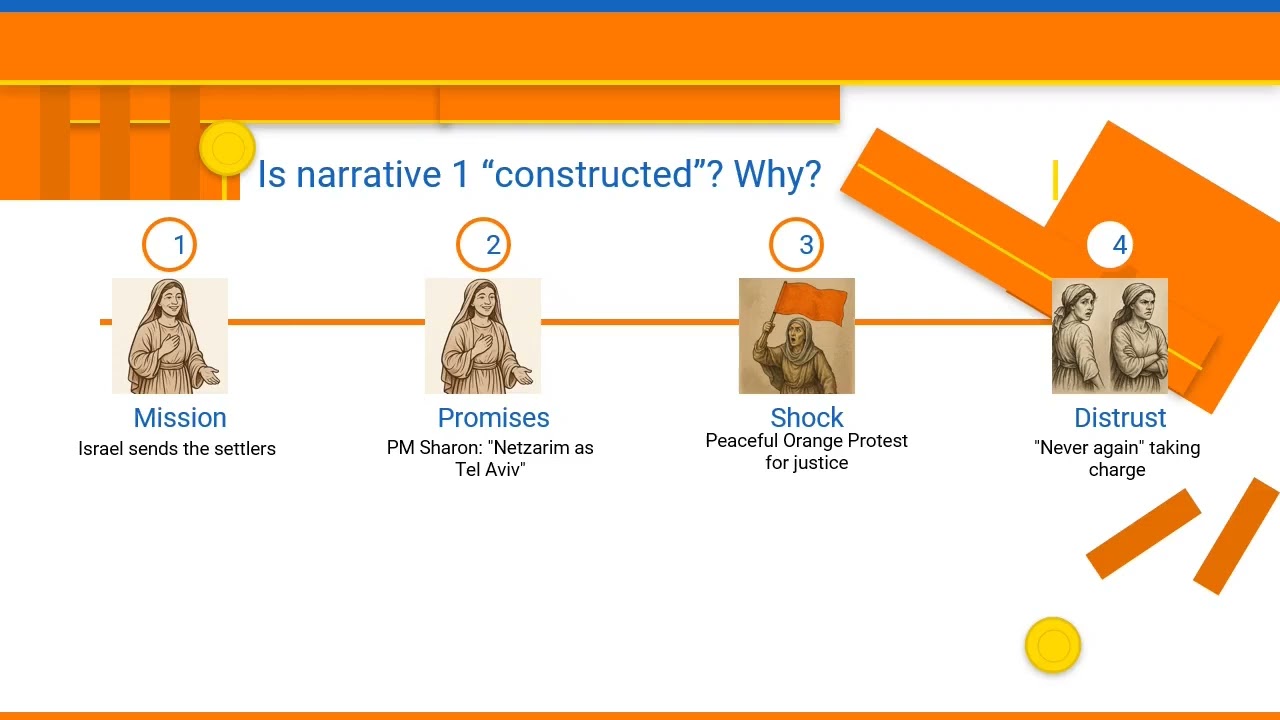
European Association for Israeli Studies conference Potsdam, September 2025
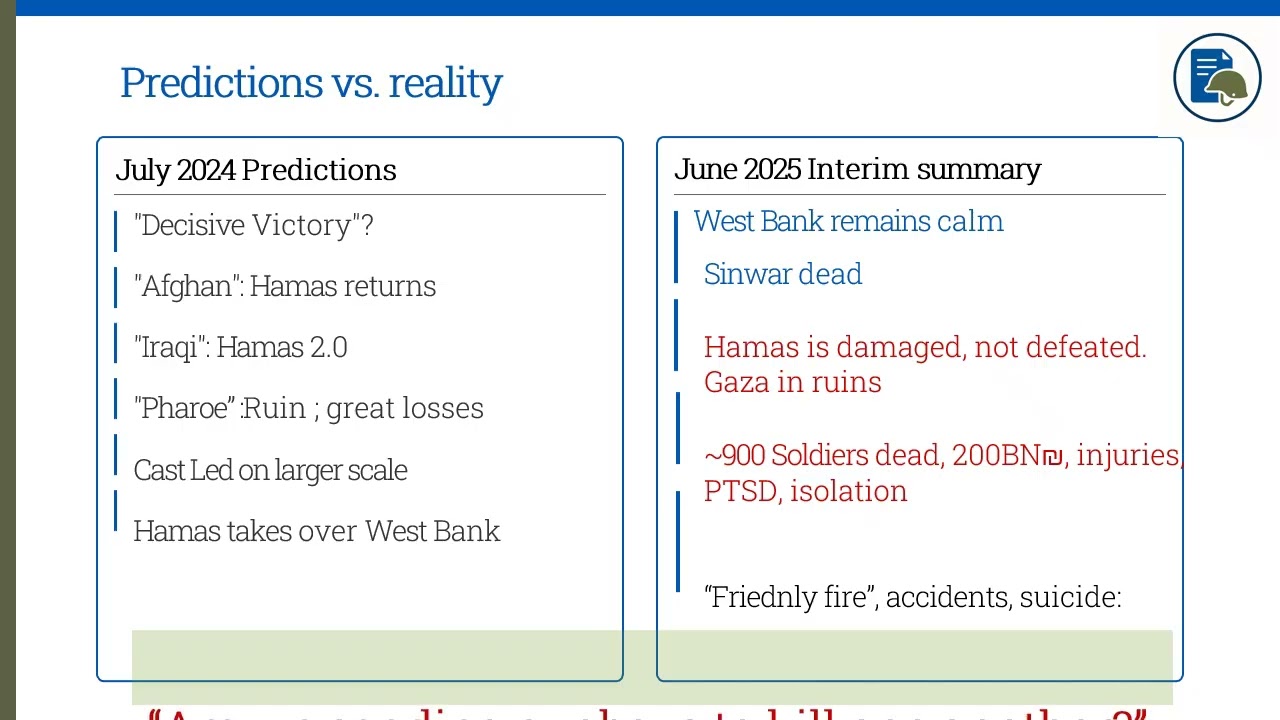
Association of Israel Studies Conference Haifa, September 2025
Dr. Amir Nehari
PhD in I/O Psychology